Are Clove Cigarettes Illegal in the US?
Navigating the tangled web of federal bans, state prohibitions, and the definition of a "cigarette."
It is perhaps the most persistent question in the American tobacco landscape: If clove cigarettes were banned over a decade ago, why can you still buy Djarum Black at a specialty smoke shop? The answer reveals a deep contradiction between legislative intent and industrial engineering. For millions of Americans who came of age in the 1990s, the scent of a clove cigarette (kretek) was a defining atmospheric element of coffee house culture and alternative nightlife. Then, on September 22, 2009, that scent seemingly evaporated from the legal market—or so it appeared.
The reality of 2026 is far more complex than a simple "yes" or "no." While the federal government did indeed outlaw the manufacture and sale of clove cigarettes, the market responded with a structural pivot that kept the flavor alive under a different legal classification. However, as we move through 2026, a new wave of state-level legislation, particularly in California and Massachusetts, is actively dismantling the loopholes that allowed these products to survive, creating a fractured map where legality depends entirely on your zip code.
The Federal Foundation: The 2009 TCA Ban
The primary legal instrument governing clove products in the United States is the Family Smoking Prevention and Tobacco Control Act (TCA), signed into law in June 2009. Specifically, Section 907(a)(1)(A) of the Federal Food, Drug, and Cosmetic Act instituted a "special rule for cigarettes." This statute explicitly prohibited any cigarette from containing a "characterizing flavor" other than tobacco or menthol.
The ban targeted flavors like strawberry, grape, cocoa, and explicitly, clove. The legislative rationale was that these flavors acted as a gateway for youth initiation. Crucially, the ban applied strictly to products defined as "cigarettes"—rolls of tobacco wrapped in paper or any substance not containing tobacco. This definition became the fulcrum upon which the entire industry pivoted. By explicitly excluding menthol while banning clove, the US government sparked a major international trade dispute with Indonesia, which argued the ban was discriminatory. Although the WTO eventually ruled in Indonesia's favor, the ban on clove cigarettes remained in force.
The "Cigar" Pivot and Structural Compliance
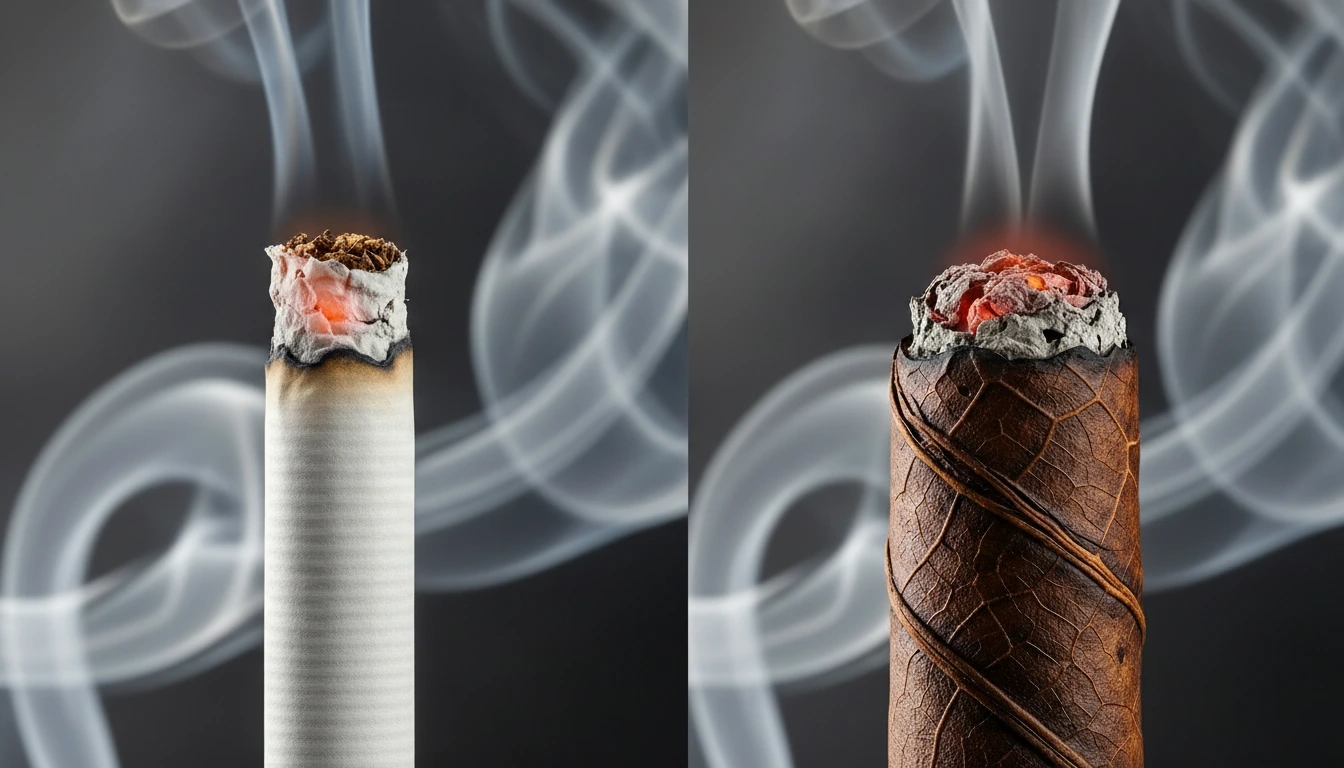
Faced with the extinction of their US market, Indonesian manufacturers like Djarum executed a rapid re-engineering of their products. To understand why you can still buy these products, one must understand the difference between clove cigarettes and clove cigars. Legally, a "cigar" is defined as a roll of tobacco wrapped in leaf tobacco or any substance containing tobacco.
By replacing the traditional paper wrapper with a wrapper made of Homogenized Tobacco Leaf (HTL)—essentially a paper made from tobacco pulp—manufacturers moved their products out of the "cigarette" classification and into the "little cigar" or "filtered cigar" tax category. This was not merely a labeling change; it altered the burn rate, the smoke density, and the taste profile. However, it successfully exempted the products from the Section 907 flavor ban, allowing them to remain on shelves federally.
The 2026 Regulatory Cliff: California and Beyond
While federal law permitted the "cigar" workaround, individual states have recently moved to close this loophole with aggressive legislation. As of 2026, the landscape has shifted dramatically. California's enforcement of Assembly Bill 3218 and the creation of the Unflavored Tobacco List (UTL) has effectively made the sale of flavored clove cigars illegal within the state.
Unlike the federal ban, California's law targets "tobacco products" broadly, not just cigarettes. To be sold legally, a product must appear on the UTL, which certifies it as unflavored. Since Djarum Black cigars possess a "characterizing flavor" (clove), they are ineligible for the list. Furthermore, they do not qualify for the "Premium Cigar" exemption, which requires a wholesale price of at least $12.00 per stick and a whole-leaf wrapper—standards the mass-market filtered clove cigar does not meet. Massachusetts has enacted similarly strict total flavor bans, restricting access to adult-only smoking bars.
Connection to Kretek Culture
For the enthusiast, these legal distinctions are frustrating but necessary knowledge. The "clove cigar" sold in the US today is a direct descendant of the authentic Indonesian kretek, but it is a distinct product reshaped by American law. The heavy, slower-burning cigar wrapper changes the ratio of clove oil (eugenol) to tobacco smoke, often resulting in a harsher "throat hit" that the original paper-wrapped version did not possess.
Despite these changes, the core appeal—the numbing sensation of eugenol and the spicy aroma—remains intact. For those living in states without total flavor bans, brands like Djarum Black continue to serve as the primary link to this spice culture. However, the days of finding these products at every corner gas station are largely over; they have migrated to dedicated tobacconists and specialty shops.
Personal Importation and the PACT Act
Many consumers, dissatisfied with the "cigar" adaptation or living in restrictive states, attempt to purchase original clove cigarettes from overseas. While it is technically not illegal to possess these products for personal use, the Prevent All Cigarette Trafficking (PACT) Act makes shipping them nearly impossible.
The US Postal Service is generally prohibited from mailing cigarettes and smokeless tobacco to consumers. While there are narrow exceptions for business-to-business transactions or infrequent "gift" shipments between individuals, purchasing from an online vendor often violates these regulations. Furthermore, U.S. Customs and Border Protection (CBP) actively seizes tobacco shipments that lack proper tax stamps or violate FDA flavor standards. The "risk of seizure" is a genuine economic hazard for anyone attempting to bypass domestic laws.
The Herbal Alternative
In response to the tightening noose around tobacco flavors, a third category has emerged: the herbal clove smoke. Products like Djarum Bliss utilize a blend of tea leaves and other botanicals infused with clove flavor and "sauce." Because they contain no tobacco and (ostensibly) no nicotine, they fall outside the FDA's tobacco authority and many state tobacco taxes. However, even this category is under scrutiny, as states like California expand definitions to include "tobacco product flavor enhancers" and synthetic nicotine.
Conclusion
So, are clove cigarettes illegal? The strict answer is yes: the manufacture and sale of a product labeled "clove cigarette" is a violation of federal law. What you see on shelves today are clove cigars, a legal workaround that is currently facing its own existential threat from state-level prohibition.
We are witnessing the slow strangulation of the category. The transition from cigarette to cigar in 2009 preserved the market for 15 years, but the regulatory walls of 2026 are higher and thicker. For the American connoisseur, the enjoyment of kretek has shifted from a casual convenience to a deliberate, often difficult, pursuit of a fading cultural artifact.