California Flavored Tobacco Law 2025
Understanding the UTL and the end of retail clove cigars in California.
It is a question that haunts the memory of American counterculture: Whatever happened to the clove cigarette? For a generation that frequented the coffee houses and goth clubs of the 1990s, the sweet, pungent aroma of a crackling kretek was as essential to the atmosphere as the music. Then, abruptly, they seemed to vanish, only to reappear with slightly different packaging and a noticeably coarser taste. This disappearance and resurrection have created a persistent fog of consumer confusion that lasts to this day.
The answer to whether clove cigarettes are illegal is not a binary "yes" or "no"—it is a complex study in regulatory semantics. While the federal government did execute a targeted extinction of the clove cigarette over a decade ago, the market responded with a structural pivot that kept the flavor profile alive under a different legal taxonomy. However, as we navigate the regulatory landscape of 2026, new state-level legislation in California and Massachusetts is dismantling the very loopholes that allowed the category to survive, fundamentally altering the availability of these spice-infused products for the American consumer.
The Federal Foundation: The 2009 TCA Ban
The primary legal instrument that severed the supply of traditional clove cigarettes was the Family Smoking Prevention and Tobacco Control Act (TCA), signed into law in 2009. Specifically, Section 907(a)(1)(A) of the Federal Food, Drug, and Cosmetic Act introduced a "special rule for cigarettes." This statute explicitly prohibited any cigarette from containing a "characterizing flavor" other than tobacco or menthol.
The legislation was designed to curb youth initiation, targeting flavors like strawberry, cocoa, and explicitly, clove. Crucially, this ban applied strictly to products defined as "cigarettes"—rolls of tobacco wrapped in paper or any substance not containing tobacco. This definition created the regulatory boundary that manufacturers would eventually circumvent. For a detailed breakdown of the political and trade implications of this decision, including the WTO dispute with Indonesia, see our analysis of the FDA 2009 Clove Cigarette Ban. While the ban successfully removed paper-wrapped kreteks from the market, it left the door ajar for other tobacco classifications.
The "Cigar" Pivot: Engineering Compliance
Faced with the total loss of the US market, Indonesian manufacturers like Djarum executed a rapid re-engineering of their core products. To remain on American shelves, the product had to cease being a "cigarette" in the eyes of the law. This was achieved by altering the wrapper and the weight. By replacing the traditional paper wrapper with a wrapper made of Homogenized Tobacco Leaf (HTL)—essentially a pulp made from tobacco—the product was reclassified as a "filtered cigar" or "little cigar."
This was not merely a cosmetic change. The difference between clove cigarettes and clove cigars extends to the combustion physics and flavor profile. The HTL wrapper is thicker, burns at a different temperature, and contributes its own harsh, earthy tobacco notes that compete with the delicate sweetness of the clove oil (eugenol). While this pivot allowed the products to bypass the Section 907 flavor ban, it fundamentally altered the sensory experience, leading many purists to claim the "soul" of the kretek was lost in the transition.
The Connection to Authentic Kretek Culture
Despite these structural changes, the "clove cigar" remains the only legal tether many Americans have to the rich spice culture of Indonesia. In its homeland, the kretek is more than a smoke; it is a cultural artifact dating back to the 1880s, originally marketed as a medicinal cure for asthma by Haji Jamhari. The defining characteristic—the crackle of the cloves and the numbing sensation of the smoke—persists even in the cigar format.
For enthusiasts seeking the unadulterated experience of the pre-ban era, the market has bifurcated. The casual smoker buys the legal Djarum Black cigars at a specialty tobacconist, accepting the heavier cigar wrapper. The dedicated connoisseur, however, often looks to historical archives or international markets to understand what was lost. Sites like KretekSource document the lineage of these products, reminding us that the American regulatory definition is an anomaly in the global consumption of kretek.
The 2026 Regulatory Cliff: California and the UTL
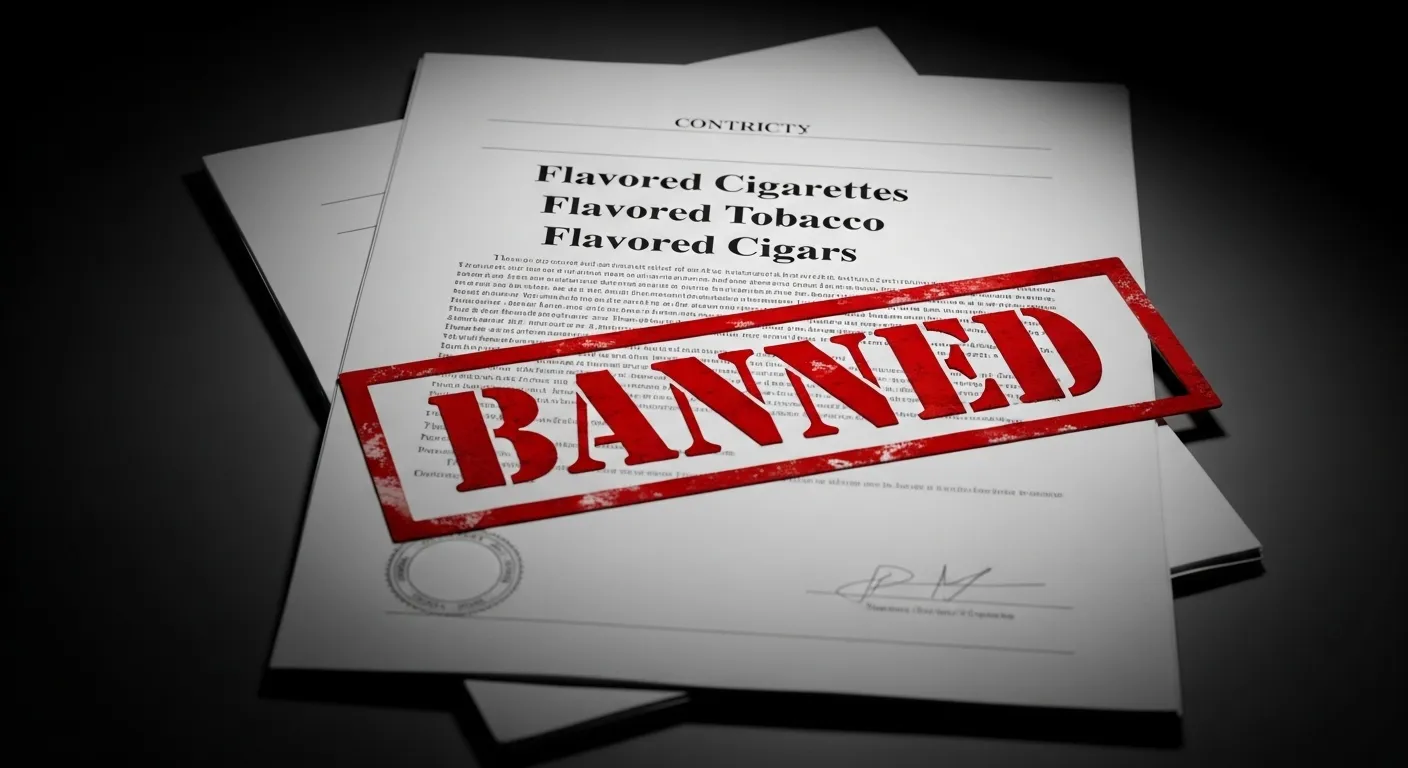
If the 2009 ban was a hurdle, the regulations taking full effect in 2026 represent a wall. Several states have moved beyond the federal cigarette ban to enact comprehensive prohibitions on all flavored tobacco products, regardless of whether they are cigars or cigarettes. California stands at the forefront of this prohibitionist wave with the implementation of the Unflavored Tobacco List (UTL).
Under California's Assembly Bill 3218, enforced rigorously as of January 1, 2026, the state Attorney General maintains a list of permissible tobacco products. Any product not on this list is deemed flavored and illegal to sell. Because Djarum Black and similar clove cigars have a "characterizing flavor" (clove), they are ineligible for the UTL. Furthermore, they do not meet the strict wholesale price ($12.00+) and construction requirements to qualify for the "Premium Cigar" exemption. This effectively ends the retail era of clove cigars in the nation's most populous state, a trend mirrored by similar bans in Massachusetts.
Analysis: The PACT Act and the Herbal Future
With retail access crumbling in key states, many consumers assume they can simply import the original cigarettes from overseas. However, the Prevent All Cigarette Trafficking (PACT) Act has erected formidable barriers to this practice. The US Postal Service generally prohibits the mailing of tobacco products to consumers, and private carriers like FedEx and UPS have followed suit. This leaves the consumer in a legal gray zone where possession is often legal, but acquisition is logistically impossible.
This tightening noose has spurred a second wave of innovation: the non-tobacco clove smoke. Products like Djarum Bliss utilize a matrix of tea leaves and other botanicals infused with clove oil. By eliminating tobacco, these products theoretically step outside the FDA's "tobacco product" authority. However, regulators are already adapting definitions to include "tobacco product flavor enhancers" and synthetic nicotine, suggesting that the chase between regulator and manufacturer will continue well into the future.
Conclusion
So, are clove cigarettes illegal in the US? The strict answer is yes: the manufacture and sale of a paper-wrapped product labeled "clove cigarette" remains a violation of federal law. What remains on shelves today are clove cigars, a legal workaround that is currently facing an existential threat from state-level "unflavored" mandates.
We are witnessing the slow strangulation of the category. The transition from cigarette to cigar in 2009 preserved the market for 15 years, but the regulatory walls of 2026 are higher and thicker. For the American enthusiast, the enjoyment of kretek has shifted from a casual convenience to a deliberate, often difficult, pursuit of a fading cultural sensation.