Djarum Black Clove Cigars: A Definitive Editorial Review
Can a scent define a subculture? For those who frequented the dimly lit coffee houses and alternative clubs of the 1990s, the unmistakable, incense-like aroma of a Djarum Black was more than just a preference; it was a performative signal of identity. Yet, the Djarum Black of the modern era is a product defined by a profound historical contradiction. While the sleek black aesthetic remains intact, the internal engineering has undergone a total metamorphosis necessitated by the adversarial dialogue between international trade and federal regulation. To review Djarum Black in 2025 is to examine a survivor—a product that has been legally transmuted and chemically re-engineered to navigate a landscape that increasingly views "characterizing flavors" as an existential threat. This analysis moves beyond the surface-level nostalgia to dissect the technical, pharmacological, and regulatory realities of the world’s most iconic clove product, establishing a foundational truth for the modern connoisseur.
Technical Infrastructure: The Architecture of the Modern Filtered Cigar
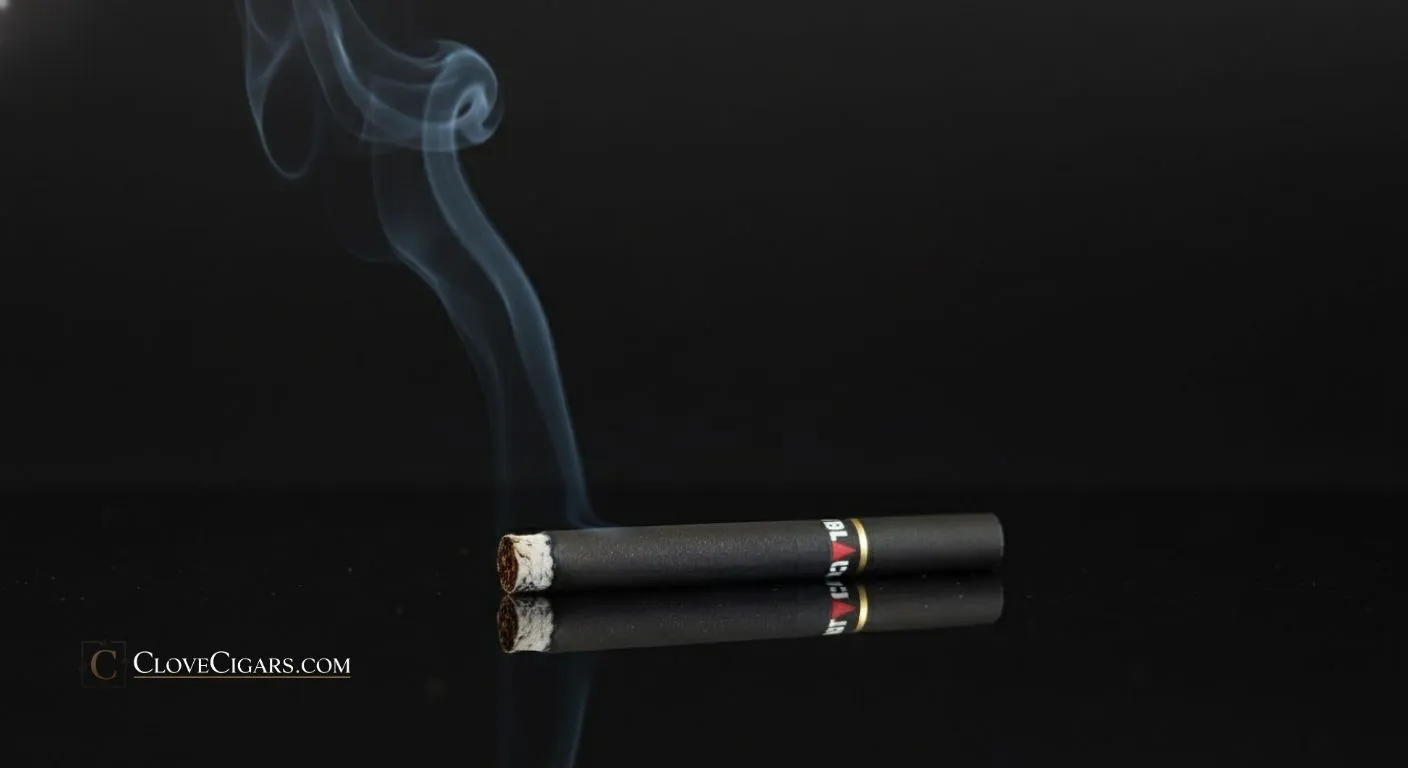
The contemporary Djarum Black is technically classified as a "filtered cigar" or "little cigar," a designation that separates it from the paper-wrapped cigarettes of the previous century. The core of this distinction lies in the wrapper. Following the 2009 federal intervention, the neutral white or black paper was replaced with Homogenized Tobacco Leaf (HTL). This material is essentially a "tobacco paper" created from tobacco pulp and binders. The shift to HTL was not merely a labeling change; it significantly altered the product’s thermal dynamics. HTL is thicker and burns at a higher temperature than paper, which introduces a heavier, earthier base note to the smoke profile. This often leads to the common consumer observation that modern Djarum Blacks feel "denser" or "stronger" than their 1990s counterparts. The internal blend remains a proprietary mixture of Indonesian tobaccos and hand-selected cloves, marinated in a complex "sauce"—a syrup of fruit extracts, spices, and sugar that defines the Djarum brand’s sweeter, fruitier palate compared to its competitors.
The Cigarette-to-Cigar Pivot: A Legacy of Adaptation
The primary source of confusion for the modern user is the discontinuity of memory. The transition that occurred on September 22, 2009, was a watershed moment for the kretek category. Under Section 907(a)(1)(A) of the Federal Food, Drug, and Cosmetic Act, the FDA banned cigarettes containing characterizing flavors other than tobacco or menthol. This effectively targeted the Indonesian clove industry while exempting domestically produced menthol products—a move that triggered a major trade dispute at the World Trade Organization. To maintain a presence in the American market, Djarum re-engineered its product to weigh more and utilize tobacco-based wrappers, effectively moving the product into a different tax and regulatory category. This evolution is detailed in our guide on clove cigarettes vs clove cigars, which explains how these structural changes saved the brand from extinction but permanently altered the sensory experience of the "original" Djarum Black.
The Science of the Crackle: Eugenol and the Sensory Paradox
The defining characteristic of a Djarum Black is the "kretek" sound—an onomatopoeia for the popping of cloves during combustion. This is a result of fluid dynamics: dried clove buds contain pockets of essential oil which flash-boil and rupture when the burning coal approaches. This oil is composed of 70-90% eugenol, a potent chemical with significant pharmacological properties. Eugenol acts as a local anesthetic, inhibiting nerve conduction in the mucous membranes of the throat. This creates a sensory paradox where a chemically aggressive smoke, high in tar and carbon monoxide, feels remarkably smooth and "numb" to the smoker. For those seeking the authentic Indonesian experience, you can buy Djarum Black clove cigarettes directly to witness how this high clove content creates the signature numbing sensation. This numbing effect is the primary reason the product gained popularity among those who found standard white cigarettes too harsh or acrid.
Analysis & Insight: The Performative Appeal of the Other
Djarum Black’s enduring relevance is as much psychological as it is physiological. In the 1980s and 90s, the product found a home in the burgeoning Goth and alternative scenes. The appeal was multisensory and performative. Visually, the black wrapper stood in stark contrast to the white paper of mainstream society, signaling a rejection of the status quo. Olfactorily, the sweet, spicy scent allowed smokers to find one another in crowded clubs or urban coffee houses. This "Appeal of the Other" is deeply rooted in the history of clove cigarettes in America in the 1990s. Despite the change to HTL wrappers, the brand continues to leverage this nostalgia, positioning the Djarum Black not merely as a tobacco product, but as a totem of a specific aesthetic era. However, the "hallucinogen myth" of the 90s remains just that—a myth. The "buzz" reported by users is actually a combination of high nicotine content and the bronchodilatory effects of eugenol, which allows for deeper inhalation and faster nicotine absorption.
Modern Relevance: The 2026 Regulatory Cliff
As we move into 2026, the Djarum Black faces its most significant threat since the 2009 ban. States like California have moved beyond banning flavors to a "whitelist" system. Under the Unflavored Tobacco List (UTL) mandate, manufacturers must prove a product is unflavored to be legal for retail sale. As a clove-flavored product, the Djarum Black cigar is explicitly excluded from this list, making it illegal for retail sale in California as of January 1, 2026. Furthermore, it fails to meet the "premium cigar" exemptions, which require products to be handmade and filterless. This tightening noose has led to a market comparison of Marlboro Filter Black vs Djarum Black as consumers look for any remaining legal pathways. The industry is now pivoting toward substitution, with products like Djarum Bliss offering a nicotine-free, tobacco-free alternative that preserves the "sauce" and the iconic why do clove cigarettes crackle experience without the regulatory baggage of the tobacco leaf.
Conclusion: The Twilight of the Tobacco Kretek
The Djarum Black remains the definitive benchmark for the clove category, a product that has survived through sheer industrial willpower and cultural loyalty. From its origins as a medicinal folk remedy in 19th-century Indonesia to its current status as a embattled specialty cigar, it represents a unique intersection of botany, chemistry, and subcultural history. However, the era of the "legal loophole" is ending. The transition from paper to HTL was the first major compromise; the shift from retail to "unflavored" whitelists may be the final hurdle for the tobacco-based version of this legend. For the serious reader, the takeaway is clear: the Djarum Black experience is shifting from a standard commodity to a rare, specialized artifact. Understanding the Family Smoking Prevention and Tobacco Control Act is essential to understanding why this product exists in its current form and why its future likely lies in the herbal innovations that are currently emerging to take its place.