Best Legal Clove Cigars in the US: Navigating the 2025-2026 Landscape
For the American enthusiast, the availability of clove-scented smoke has long been defined by a single, perplexing question: how did the ubiquitous "clove cigarette" of the 1990s transform into the "filtered cigar" of today? The transition was not a choice driven by consumer preference or manufacturing innovation, but a direct response to a rigorous federal intervention. Since 2009, the landscape has been shaped by a delicate dance between legislative intent and industrial adaptation, leaving many smokers wondering which products remain legal and which truly capture the original essence of the Indonesian kretek. Today, as we enter the 2025-2026 period, the definition of "legal" is shifting once again. From the emergence of state-level unflavored tobacco lists to the rise of herbal alternatives, the options available to the American consumer are more specialized than ever, requiring a deep understanding of both chemistry and law to navigate effectively.
The Structural Pivot: From Paper to Homogenized Tobacco Leaf
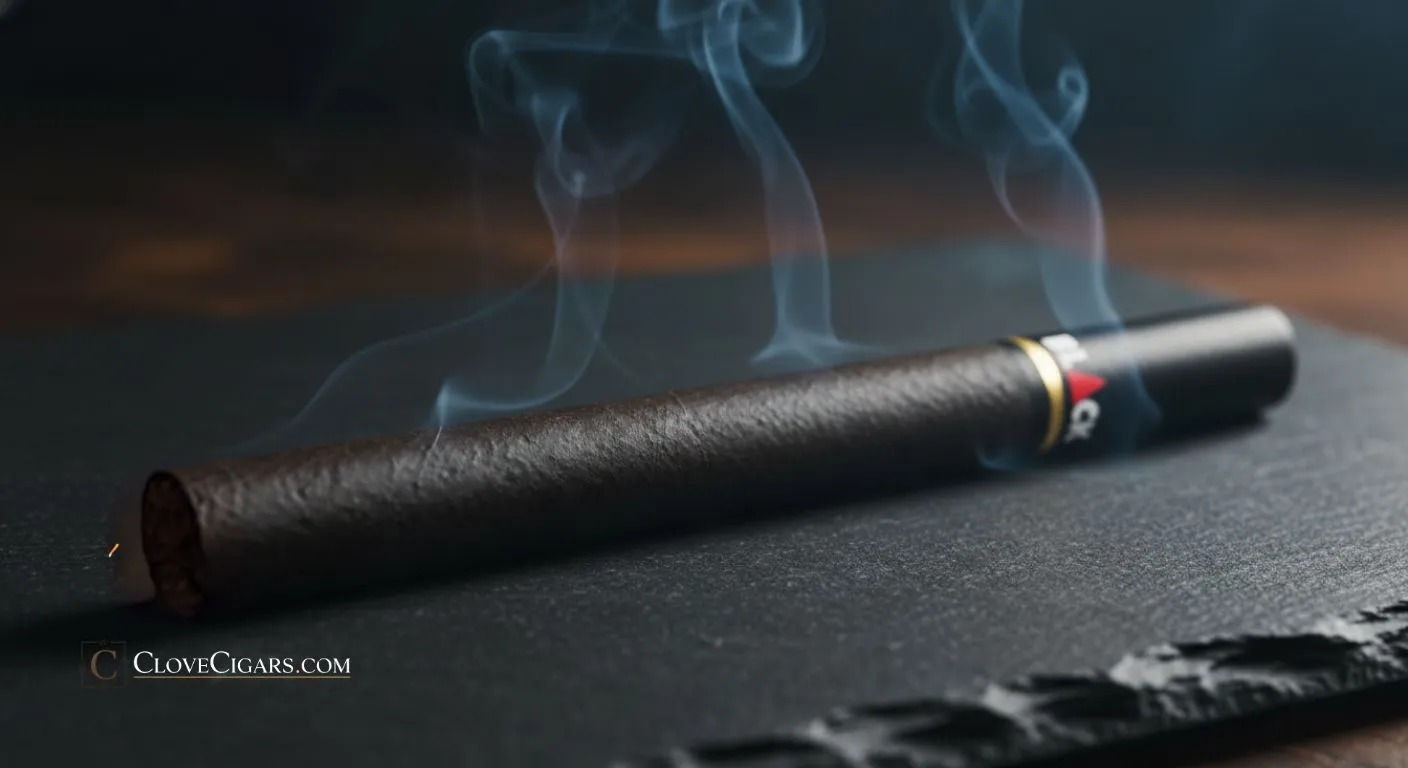
The modern era of legal clove products in America began on September 22, 2009. On this date, the Family Smoking Prevention and Tobacco Control Act (TCA) effectively banned cigarettes containing characterizing flavors, specifically targeting the clove market. To survive, manufacturers like Djarum had to re-engineer their product to meet the legal definition of a cigar. This was achieved primarily through a change in the wrapper. While traditional cigarettes utilize paper, a "little cigar" or "filtered cigar" must be wrapped in leaf tobacco or a substance containing tobacco. This led to the adoption of Homogenized Tobacco Leaf (HTL)—a material made from tobacco pulp and binders. This change allowed these products to be classified under the Internal Revenue Code as cigars, bypassing the flavor ban that applies strictly to cigarettes. However, this re-engineering was not merely a legal technicality; it altered the organoleptic profile of the smoke. HTL burns at a different temperature than paper, providing a heavier, earthier base that some users find distinct from the "clean" burn of the 1990s-era Djarum Blacks. Understanding the clove cigarettes vs clove cigars distinction is essential for any consumer looking to match their nostalgia with current market realities.
The 2026 Regulatory Cliff and the California Minefield
While the "cigar loophole" provided a decade of stability, the legal ground is currently disintegrating at the state level. The most significant threat comes from California’s Unflavored Tobacco List (UTL), established through legislation like AB 3218. As of January 1, 2026, California mandates that only products appearing on this Attorney General-maintained whitelist may be sold at retail. Because clove is a characterizing flavor, traditional clove cigars like Djarum Black are excluded from this list. This effectively ends the retail sale of these products in the most populous US state. Furthermore, these products do not qualify for "premium cigar" exemptions. Statutory definitions for premium status generally require a product to be handmade, wrapped in whole leaf tobacco, and sold at a wholesale price often exceeding $12.00 per stick. Since legal clove cigars are machine-made, utilize HTL, and feature filters, they fail every metric of the premium exemption. This regulatory pressure is creating a fragmented market where a product may be perfectly legal in one state but entirely prohibited in another, a situation explored in detail in our analysis of clove cigarettes state-by-state legality.
The Top Contenders: Evaluating Flavor and Construction
Despite these challenges, several products remain the "gold standard" for those seeking the authentic Indonesian experience within legal bounds. Djarum Black remains the market leader, offering a robust profile where the sweetness of the proprietary "sauce"—a blend of spices and fruit extracts—is balanced by the numbing effect of eugenol. For those seeking variety, the Djarum Black Ruby (formerly Cherry) and Djarum Black Ivory (Vanilla) provide flavored alternatives that utilize the same filtered cigar framework. However, the purist often looks toward the Djarum Special, which offers a more nuanced spice profile that some believe better approximates the complexity of traditional hand-rolled kreteks. Each of these products relies on the signature "crackle"—a phenomenon caused by the flash-boiling of clove oil within the buds as the burning coal approaches. For those looking to experience this iconic sensation, you can buy Djarum Black clove cigarettes (available as filtered cigars in the US) to see how the HTL wrapper interacts with the traditional clove blend.
Scientific Authority: Eugenol and the Sensory Paradox
To truly evaluate the best legal options, one must understand the pharmacology of the clove itself. The defining characteristic of any kretek-derived product is eugenol, which makes up 70-90% of clove oil. Eugenol acts as a local anesthetic, similar in mechanism to lidocaine. When inhaled, it numbs the mucous membranes of the throat and trachea. This creates a sensory paradox: while the smoke from a clove cigar is chemically aggressive—often yielding higher tar and carbon monoxide than conventional cigarettes—it feels exceptionally "smooth" or "cool" to the smoker. This numbing effect suppresses the natural cough reflex, allowing for deeper inhalation. It is this specific physiological interaction, rather than the tobacco blend alone, that defines the "best" clove cigar experience. Consumers often ask why do clove cigarettes crackle, and the answer lies in this same oil; the micro-explosions of eugenol-rich pockets are the auditory hallmark of a high-quality clove blend. This scientific reality is a critical component of why the category maintains such a loyal following despite the heavier smoke profile.
The Herbal Pivot and Modern Alternatives
As the legal "cigar" pathway narrows in states like California and Massachusetts, the industry is shifting toward substitution. Djarum Bliss represents the latest evolution in this saga. By removing tobacco and nicotine entirely and replacing them with a blend of tea leaves, fig leaves, and botanicals, manufacturers have created a product that theoretically falls outside the jurisdiction of many tobacco-specific bans. These herbal "smokes" retain the proprietary sauce and the essential clove content, preserving the aroma and the crackle without the legal baggage of tobacco. While some critics argue that the lack of nicotine alters the "buzz," the herbal pivot is increasingly seen as the only viable vessel for the kretek flavor profile in a prohibitionist environment. For many, the preservation of the cultural ritual and the olfactory experience is more important than the tobacco content itself. Those interested in the deep roots of this flavor can explore the history of kretek to understand how the "sauce" became more important than the leaf in Indonesian culture.
Ultimately, choosing the best legal clove cigar in the US requires a balance of taste preference and regulatory awareness. While Djarum Black remains the most accessible and iconic choice, the transition to HTL wrappers and the looming 2026 retail bans in certain states mean that the "best" option may soon be an herbal one like Djarum Bliss. Consumers should also remain aware of health considerations, as the anesthetic properties of eugenol can mask the harshness of a heavy smoke, a topic we cover in our guide on are clove cigarettes safe. As federal and state laws continue to evolve, the definition of a legal clove smoke will likely continue to change, but the allure of the Indonesian clove remains a constant in the American subculture.
The transition from the medicinal roots of Haji Jamhari in the 1880s to the complex regulatory environment of 2026 is a testament to the enduring appeal of the clove. Whether through the re-engineered filtered cigar or the innovative herbal smoke, the essence of the kretek survives. According to the Family Smoking Prevention and Tobacco Control Act, the era of the clove cigarette is over, but the era of the clove cigar and its herbal successors is just beginning. By staying informed on legislative changes and understanding the science of the smoke, enthusiasts can continue to enjoy this unique sensory experience while navigating the twilight of the traditional tobacco kretek.