Do Clove Cigarettes Contain Tobacco? Deconstructing the Kretek Composition
In the global market of specialty smokes, few products are as misunderstood as the Indonesian kretek. To the uninitiated, the overwhelming scent of spice often leads to a central question: is this a tobacco product flavored with cloves, or a clove product that happens to resemble a cigarette? This distinction is not merely academic; it is the pivot point upon which international trade disputes, federal bans, and the evolution of modern "herbal" alternatives turn. The reality of the kretek is defined by a rigorous, often adversarial, dialogue between traditional Indonesian craftsmanship and the fragmented regulatory landscape of 2025 and 2026. As consumers increasingly seek "cleaner" or "nicotine-free" experiences, understanding the botanical and chemical architecture of these products—and the transition from tobacco-heavy traditional blends to the new era of tobacco-free substitutes—is essential for any serious enthusiast.
The Anatomy of an Original Kretek: Tobacco and Spice Blends
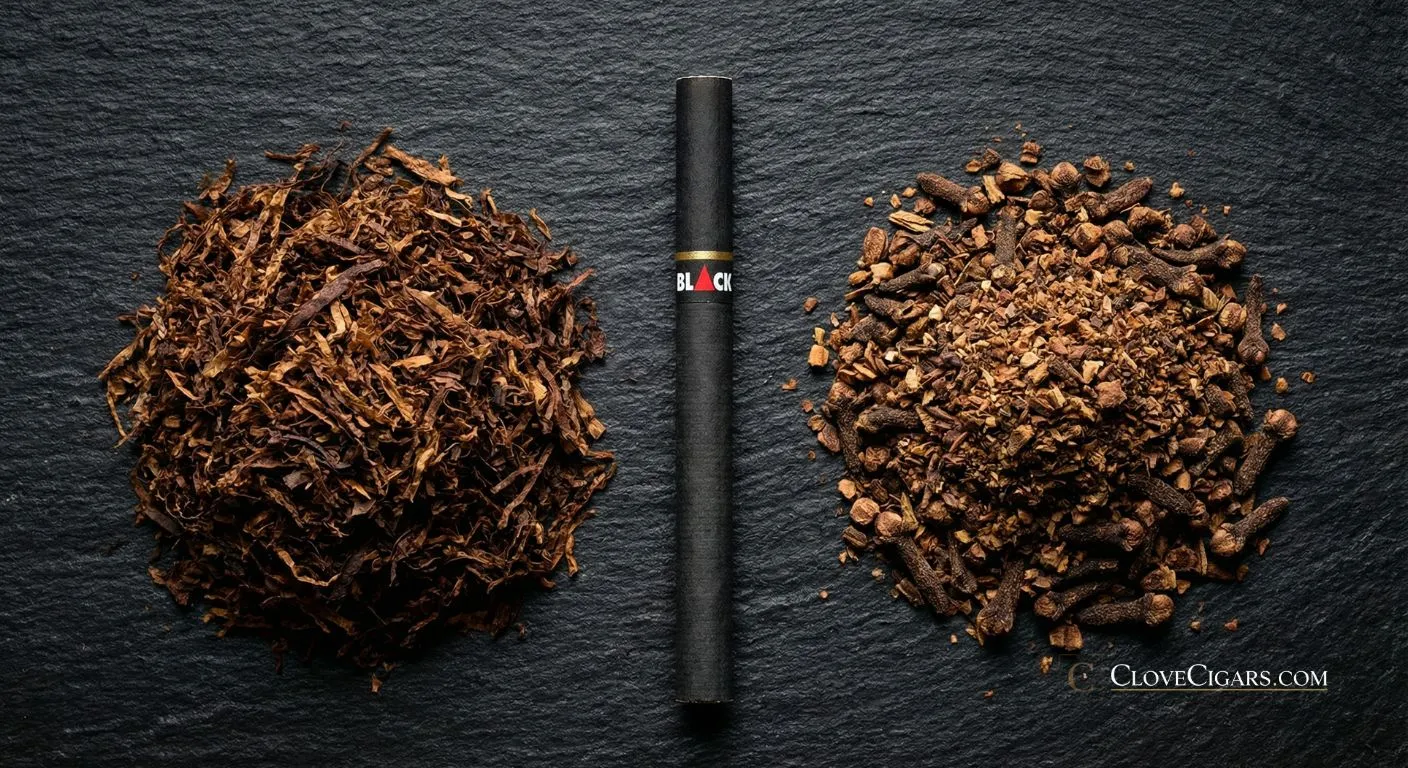
The traditional Indonesian kretek is fundamentally a tobacco product. Historically, the composition consists of approximately 60% to 80% tobacco and 20% to 40% ground clove buds. This ratio is what differentiates the kretek from the "white cigarette" common in Western markets. The tobacco used in these blends is often sourced from volcanic soils in Java, known for high nicotine potency and a robust, earthy character. In addition to the physical plant matter, manufacturers apply a proprietary "sauce"—a complex mixture of fruit extracts, spices, and sugar—that marinates with the tobacco and cloves to create the brand's unique aromatic footprint. This traditional structure provides a powerful nicotine delivery system, often higher in yield than conventional cigarettes due to the deep inhalation facilitated by the anesthetic properties of the cloves.
The Crisis of Categorization: Cigarettes vs. Filtered Cigars
The question of tobacco content became a legal battleground in 2009 with the passage of the Family Smoking Prevention and Tobacco Control Act (TCA). Under Section 907(a)(1)(A), the FDA banned "cigarettes" containing characterizing flavors like clove. To survive in the American market, brands like Djarum re-engineered their products to meet the legal definition of a "cigar". While the interior blend still contains tobacco and cloves, the outer wrapper was shifted from paper to Homogenized Tobacco Leaf (HTL)—a material made from tobacco pulp. This technicality ensures the product is classified as a "cigar" under the Internal Revenue Code, even though it retains the shape and filter of a cigarette. Consequently, while the answer remains "yes, they contain tobacco," the physical form of that tobacco has changed from a paper-wrapped blend to a leaf-wrapped filtered cigar, a transition detailed in our guide on clove cigarettes vs clove cigars.
The Botanical Shift: Nicotine-Free and Tobacco-Free Alternatives
With the legal walls closing in—most notably California’s "Unflavored Tobacco List" (UTL) mandate for 2026—the industry has moved toward a game of total substitution. This has led to the emergence of products like Djarum Bliss, which represent the first widespread "clove smoke" to contain zero tobacco. These herbal alternatives utilize a blend of tea leaves, fig leaves, and other botanicals infused with the signature clove "sauce". Because they contain no tobacco and no nicotine, they theoretically fall outside the jurisdiction of traditional tobacco taxes and flavor bans. However, consumers should note that "tobacco-free" does not mean "smoke-free"; the combustion of any botanical matter still produces tar and carbon monoxide. For those seeking the iconic flavor without the leaf, you can buy Djarum Black in its original tobacco-containing form through international channels, or explore the tobacco-free Bliss line at domestic retailers.
The Science of Eugenol: Why the Blend Feels Different
The physical sensation of smoking a kretek, whether it contains tobacco or not, is driven by eugenol—the primary constituent of clove oil. Eugenol acts as a local anesthetic, numbing the mucous membranes of the throat and trachea. This creates a "smoothness" paradox where a tobacco-heavy smoke feels milder than it actually is, potentially allowing for deeper inhalation and faster nicotine absorption in traditional blends. This anesthetic effect is also the reason many users are surprised by the potency of Indonesian products. The signature "crackle" that accompanies the smoke is the result of fluid dynamics: clove oil pockets flash-boiling and rupturing at high temperatures, a phenomenon that occurs regardless of whether the surrounding filler is tobacco or tea leaves. More details on this sensation can be found in our FAQ on why do clove cigarettes crackle.
Modern Relevance and the 2026 Regulatory Minefield
As we enter 2026, the distinction between tobacco and herbal cloves is becoming a critical legal boundary. In California, any product containing tobacco and a characterizing flavor like clove will be effectively illegal for retail sale unless it appears on the UTL. Furthermore, these products do not qualify for "premium cigar" exemptions due to their mechanized production and filtered construction. This regulatory cliff is making the "tobacco-free" claim of products like Bliss a strategic necessity rather than just a lifestyle choice. However, regulators are already looking at "flavor enhancer" definitions that could potentially target herbal smokes if they are deemed to be evading tobacco laws. For a comprehensive look at how these laws impact your ability to purchase these products, consult our analysis of clove cigarettes state-by-state legality.
Conclusion: Resolving the Composition Conflict
So, do clove cigarettes contain tobacco? The answer has evolved from a simple "yes" into a complex "it depends on the legal vessel". Traditional Indonesian kreteks and the filtered cigars currently sold in the U.S. are heavily tobacco-based, utilizing potent Javanese leaves and HTL wrappers. However, the rise of Djarum Bliss has introduced a truly tobacco-free alternative for those navigating the prohibitionist landscape of 2026. Whether you choose the original tobacco blend for its robust nicotine profile or the herbal version for its regulatory compliance, the "soul" of the product remains the clove and its anesthetic eugenol. As the category continues to redefine itself, staying informed on the Family Smoking Prevention and Tobacco Control Act and its ongoing impact is the only way for the modern consumer to navigate the twilight of the tobacco kretek.