To Inhale or Not: The Complexity of the Clove Cigar Experience
Should the modern clove cigar be treated with the same inhalation technique as its cigarette predecessor, or does its new structural identity demand a different approach? This question lies at the heart of the confusion for many American consumers who remember the paper-wrapped Djarum Blacks of the 1990s but now face the tobacco-wrapped versions of 2026. The transition from cigarette to "filtered cigar" was not merely a labeling change; it was a fundamental re-engineering of the product's physical and chemical profile. While traditional cigar etiquette suggests that smoke should be tasted in the mouth rather than drawn into the lungs, the clove cigar presents a unique sensory paradox. Because it contains high levels of eugenol—a natural anesthetic—it numbs the body's natural defenses, making inhalation surprisingly effortless even as the smoke becomes chemically more aggressive. Understanding the interplay between this numbing effect and the new Homogenized Tobacco Leaf (HTL) wrapper is essential for navigating the safety and technique of the modern kretek.
The Structural Shift: HTL Wrappers and Inhalation Mechanics
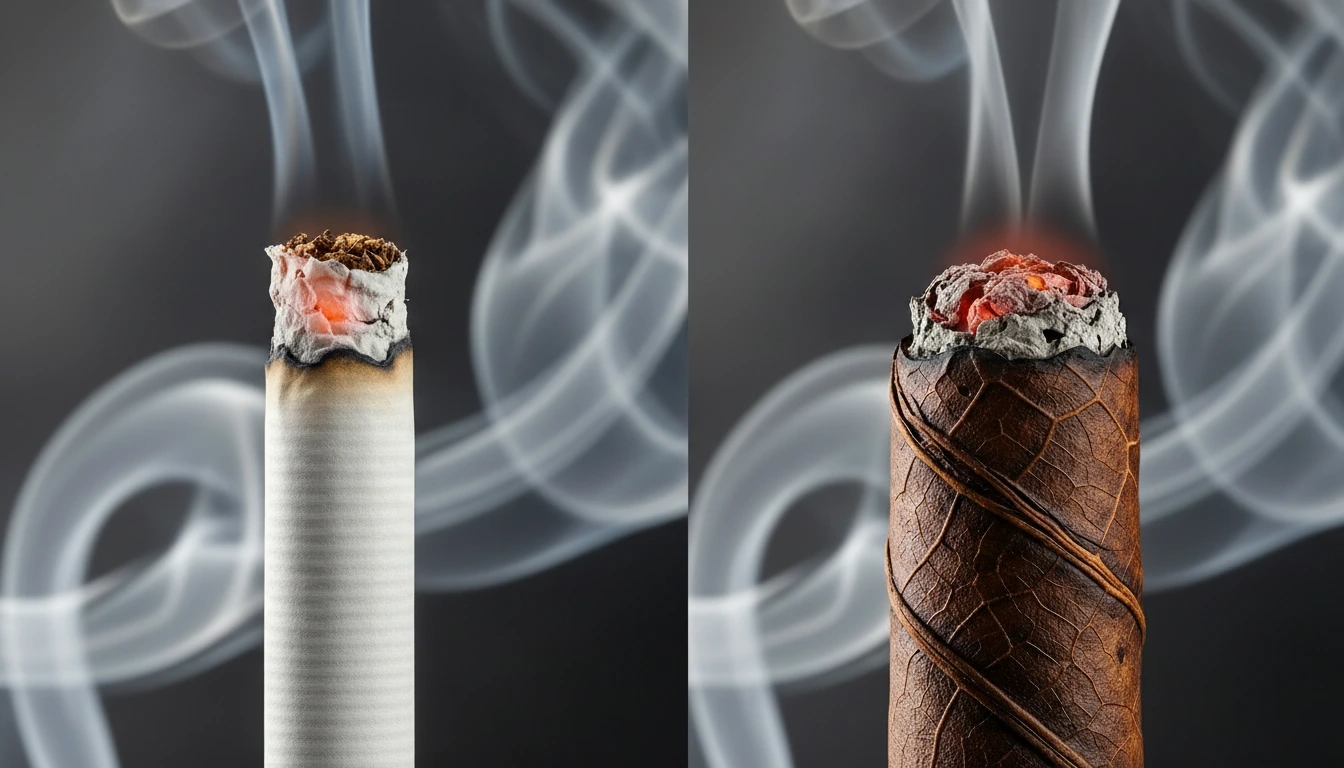
The contemporary clove cigar is defined by a rigorous adaptation to federal law. Following the 2009 Family Smoking Prevention and Tobacco Control Act, which banned flavored cigarettes, manufacturers pivoted to a cigar classification to remain on the market. This change necessitated replacing neutral paper wrappers with Homogenized Tobacco Leaf (HTL), a material made from tobacco pulp and binders. This structural shift is significant because HTL is thicker, burns hotter, and possesses a distinct, earthier taste profile. Unlike the light, paper-wrapped cigarettes of the past, these filtered cigars produce a denser smoke with higher particulate matter. While the product retains the shape and filter of a cigarette, its cigar-based architecture means the smoke is theoretically harsher, yet the presence of cloves fundamentally alters how the human body reacts to that harshness.
The Eugenol Paradox: Why Inhalation Feels Milder Than It Is
The central tension in inhaling clove cigars is the pharmacological effect of eugenol. Comprising 70-90% of clove oil, eugenol acts as a local anesthetic that inhibits nerve impulses similarly to lidocaine. When the smoke is drawn into the mouth and throat, it numbs the mucous membranes. This creates a "smoothness paradox": a smoke that is chemically aggressive and high in carbon monoxide and tar feels "cool" or "numb" to the user. By suppressing the gag and cough reflexes—the body's natural rejection responses—eugenol allows a smoker to inhale foreign particles deeply into the lungs without the standard irritation. This makes clove cigars deceptively easy to inhale, even though the smoke yield is often higher than that of conventional cigarettes due to the dense packing and the proprietary "sauce".
Respiratory Risks and the Danger of Suppressed Reflexes
Because clove cigars mask the harshness of their smoke, they present unique respiratory risks that go beyond standard tobacco consumption. Research indicates that eugenol inhalation can cause acute lung injury (ALI) and pulmonary edema in animal models. While eugenol is anti-inflammatory when ingested, its pyrolysis products (the chemicals created by burning it) can be cytotoxic to lung fibroblasts. Furthermore, by suppressing the cough reflex, eugenol can theoretically allow a smoker to inhale foreign particles or even gastric contents without the body’s natural rejection response, potentially leading to aspiration pneumonia. This makes the decision to inhale a clove cigar a matter of significant toxicological concern, as the user lacks the typical sensory feedback of a "harsh" smoke that would otherwise limit deep inhalation.
Analysis & Insight: The "Cigar" Identity and Consumer Habits
Deeper cultural interpretation reveals a discontinuity of memory among clove enthusiasts. The user who remembers the ubiquitous paper-wrapped Djarums of the 1990s is often perplexed by the current "filtered cigar" status. Although these products are legally cigars, they are visually indistinguishable from cigarettes, leading many consumers to treat them as such by inhaling deeply. However, the HTL wrapper is not just a legal technicality; its organoleptic properties are designed for a slower, more flavor-focused burn. For those looking to experience the authentic Indonesian flavor while navigating these risks, many are turning to herbal substitutes like Djarum Black in its original form or tobacco-free alternatives like Djarum Bliss, which aim to preserve the "sauce" and crackle without the same heavy tobacco base.
The 2026 Regulatory Landscape: Whitelists and Substitutions
As we enter the 2026 regulatory period, the question of inhalation may become moot for many retail consumers. In states like California, the implementation of the Unflavored Tobacco List (UTL) effectively bans the retail sale of flavored clove cigars because they cannot be classified as "unflavored". These products also fail to qualify for "premium cigar" exemptions, which require a stick to be handmade and filterless with a high wholesale price. This regulatory cliff is driving the market toward substitution—moving from tobacco to herbal products like Djarum Bliss. These herbal smokes utilize tea and fig leaves to mimic the experience. While they lack nicotine, the combustion of any botanical matter still carries risks like tar and carbon monoxide, meaning the question of inhalation safety remains relevant even in a tobacco-free future.
Conclusion: Navigating the Choice to Inhale
Ultimately, while you can inhale clove cigars because eugenol numbs your throat's resistance, doing so masks a chemically aggressive smoke that is denser and hotter than that of traditional cigarettes. The transition from paper to HTL wrappers has created a product that legally resides in the cigar category but is culturally consumed as a cigarette. By understanding the pharmacology of eugenol and the structural changes mandated by the Family Smoking Prevention and Tobacco Control Act, consumers can make more informed decisions about their technique. Whether you choose the traditional filtered cigar or the new herbal Bliss, the "soul" of the experience remains the Indonesian "sauce" and the iconic crackle. As the legal retail market for these products reaches its twilight in 2026, staying educated on the science of the smoke is the only way to navigate the evolving world of the kretek.