Djarum Bliss: Navigating the Frontier of Tobacco-Free Clove Culture
Can the soul of a centuries-old cultural tradition survive the total removal of its primary botanical vessel? For the Indonesian kretek, a product defined by its unique marriage of tobacco and clove, the modern American regulatory landscape has posed an existential question. As federal mandates and state-level prohibitions close the "loophole" that allowed clove cigarettes to persist as filtered cigars, the industry has reached a radical crossroads. Djarum Bliss represents the most significant industrial pivot in the category’s history—a complete transition from tobacco-based product to a purely botanical, nicotine-free alternative. This evolution is not merely a marketing response but a rigorous chemical and structural re-engineering designed to preserve the sensory "source of truth" in an environment where the tobacco leaf itself has become a legal liability. To understand Djarum Bliss is to examine the intersection of ethnomedicinal heritage and 21st-century prohibitionist pressure.
The Botanical Architecture of the Bliss Series
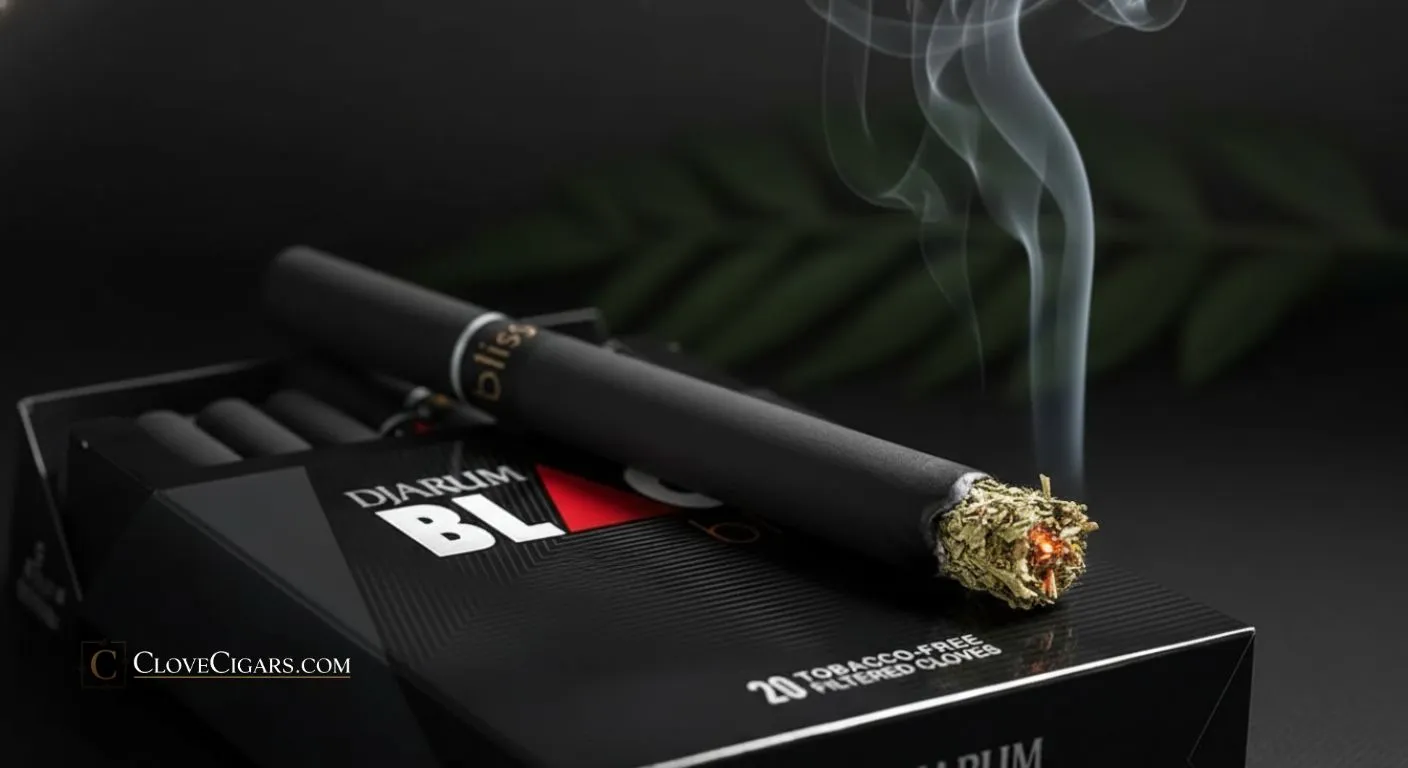
The technical construction of Djarum Bliss is a departure from the traditional kretek manufacturing process, which historically relied on high-nicotine Javanese tobaccos. Instead, the "Bliss" filler is composed of a proprietary blend of non-tobacco botanicals, primarily utilizing tea leaves, fig leaves, and tamarind. These ingredients were selected for their combustible properties, aiming to mimic the burn rate and mouthfeel of a traditional cigarette without the presence of nicotine or tobacco-specific nitrosamines. While the base material has changed, the defining aromatic component remains: high-grade cloves (Syzygium aromaticum). The botanical filler is infused with the signature Djarum "sauce"—a complex, century-old recipe of spices and fruit extracts—ensuring that the olfactory profile remains consistent with the brand’s legacy. This transition allowed the product to be categorized as a non-tobacco herbal smoke, theoretically exempting it from the FDA’s tobacco authority and the heavy excise taxes applied to nicotine-bearing products.
The Regulatory Minefield: Evasion versus Enforcement
The emergence of tobacco-free alternatives like Djarum Bliss is a direct strategic response to the tightening regulatory noose in the United States. Following the 2009 ban on flavored cigarettes, the category initially survived by re-engineering itself into "filtered cigars." However, as state-level mandates like California's Unflavored Tobacco List (UTL) begin to take effect in 2025 and 2026, even flavored cigars are facing retail extinction. Djarum Bliss is designed to operate outside the statutory definitions of "tobacco products." By removing the leaf, the product aims to bypass flavor bans that specifically target tobacco-containing items. However, this maneuver has prompted an adversarial reaction from regulators. States like California have updated their health codes to include "synthetic nicotine" and "flavor enhancers" within their enforcement purviews. If a non-tobacco product is marketed in a way that suggests it is a substitute for restricted tobacco items, or if it is deemed to facilitate the consumption of flavored aerosols, it may still face significant retail hurdles under broad "characterizing flavor" definitions.
The Science of the Sauce: Preserving the Kretek Identity
Despite the absence of tobacco, the sensory experience of Djarum Bliss is anchored by the same pharmacological engine that defined the 1990s subculture: eugenol. Clove oil consists of 70-90% eugenol, a compound that acts as a local anesthetic by inhibiting nerve impulse conduction. This is the fundamental reason why clove cigarettes make your throat numb; the vaporized eugenol numbs the mucous membranes of the throat and trachea. In the Bliss series, this numbing effect is preserved, providing the "smoothness" that consumers associate with the Djarum brand. Furthermore, the product retains the signature "crackle"—an onomatopoeic snap caused by fluid dynamics. When the burning coal reaches pockets of essential oil in the ground cloves, the oil flash-boils and ruptures the cellular structure of the bud. For those looking for the iconic sensation, the ability to buy Djarum Black in its original Indonesian cigarette format remains the gold standard, but the Bliss variant offers a legally compliant method of experiencing this unique thermal chemistry.
The Herbal Pivot: A Strategic Analysis of Consumption Habits
The shift from tobacco to herbal filler represents a "Herbal Pivot" that prioritizes the ritual and olfactory experience over the physiological addiction to nicotine. Research into the 1990s Goth and alternative subcultures suggests that the appeal of the kretek was always multisensory and performative. The scent of cloves, the visual of the black wrapper, and the auditory snap of the burn were as important as the tobacco itself. Djarum Bliss targets the "legacy consumer" who seeks the nostalgia and the atmosphere of the clove ritual but wishes to avoid the regulatory scrutiny and health implications of traditional tobacco. However, the toxicology of herbal smokes is not entirely neutral. The combustion of any botanical matter—whether tea, fig, or tobacco—produces particulate matter, tar, and carbon monoxide. While the specific nitrosamines of tobacco are absent, the pyrolysis of these botanicals still presents a chemical profile that is aggressive to the respiratory system, a reality that differentiates "tobacco-free" from "risk-free." This distinction is critical when comparing clove cigarettes vs clove cigars and their newer herbal counterparts.
Modern Relevance and the 2026 Retail Cliff
As we enter 2026, the relevance of Djarum Bliss becomes apparent in its role as a retail survivor. In jurisdictions like California and Massachusetts, where flavored tobacco retail has been decimated, the non-tobacco status of Bliss provides a narrow pathway for the flavor profile to remain on store shelves. The implementation of the "Unflavored Tobacco List" effectively marks the end of the legal retail clove cigar, leaving the herbal alternative as the only viable vessel for the "kretek" flavor profile in the general marketplace. This transition mirrors the historical move away from paper wrappers following the FDA 2009 clove cigarette ban explained in our research archives. For the enthusiast, the Bliss line is the industry's attempt to provide an honest broker in a market filled with misinformation, guiding the consumer away from the gray market of illegal imports and toward a specialized, botanical future that respects the boundaries of modern prohibition.
Conclusion: The Future of the Aromatic Smoke
The Djarum Bliss series is a testament to the resilience of the Indonesian clove tradition. By abandoning the tobacco leaf in favor of a specialized blend of tea and fig leaves, the brand has successfully preserved the "soul" of the kretek—its scent, its crackle, and its anesthetic numbing effect—within a legally compliant framework. While the removal of nicotine represents a significant shift in the product's character, it ensures that the cultural ritual of the clove smoke can continue to exist in a landscape that has become increasingly adversarial toward traditional tobacco. According to the Family Smoking Prevention and Tobacco Control Act, the era of the flavored cigarette has passed, but through industrial innovation and botanical substitution, the aromatic legacy of the Indonesian spice trade persists. Djarum Bliss stands not as a replacement, but as the next logical stage in the evolution of the clove category, offering a reflective takeaway on the power of flavor to transcend its original form.