Djarum Black vs. Djarum Special: Deciphering the Dual Legacy of the Modern Kretek
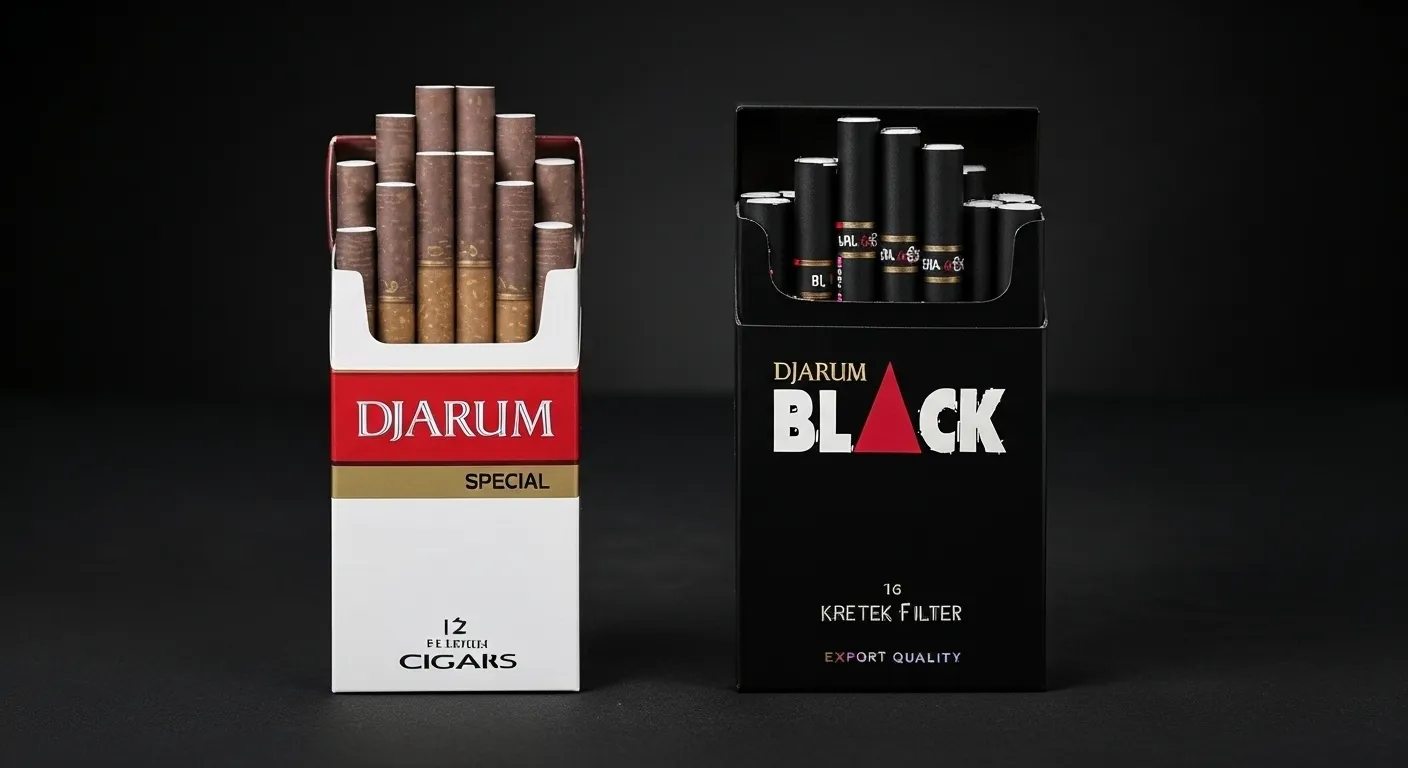
In the specialized world of the Indonesian kretek, does a choice of color signal a fundamental shift in character? For the American enthusiast navigating the fragmented market of the 2020s, the distinction between Djarum Black and Djarum Special is more than a matter of aesthetic packaging; it represents a deep-seated cultural and sensory divergence. Djarum Black, with its iconic ebony wrapper and associations with the alternative subcultures of the 1990s, offers a sweet, fruity profile that defined an era of rebellion. In contrast, Djarum Special presents itself as the connoisseur’s choice, prioritizing a more robust, tobacco-forward spice blend that leans into the ethnomedicinal roots of the category. This comparison explores the tension between these two survivors—products that were legally transmuted and chemically re-engineered from cigarettes into filtered cigars to satisfy federal mandates. As we approach the 2026 regulatory cliff, understanding the technical and pharmacological nuances of these two blends is essential for any serious consumer looking to bridge the gap between nostalgic memory and modern reality.
The Structural Foundation: Filtered Cigars and the HTL Wrapper
The contemporary Djarum Black and Djarum Special are both categorized as "filtered cigars" under the Internal Revenue Code, a designation born of the adversarial dialogue between international manufacturers and the 2009 Family Smoking Prevention and Tobacco Control Act (TCA). To remain legal in the United States, Djarum had to move away from paper wrappers and adopt Homogenized Tobacco Leaf (HTL). HTL is a "tobacco paper" composed of tobacco pulp and binders, meeting the statutory definition of a cigar. This structural shift is the primary reason both variants possess a denser, earthier baseline than the paper-wrapped kreteks of the past. The HTL wrapper burns hotter and slower, which significantly impacts the organoleptic profile of both the Black and Special blends. While the interior filler remains a proprietary mixture of Indonesian tobaccos and hand-selected cloves, the wrapper adds a layer of complexity that distinguishes these products from their cigarette predecessors, a transition discussed in our analysis of clove cigarettes vs clove cigars.
Flavor Profiles: The Sweetness of the Black vs. the Spice of the Special
The primary conflict in the Djarum Black vs. Special debate lies in the composition of the "sauce"—the proprietary mixture of spices, fruit extracts, and sugar that defines the Indonesian kretek. Djarum Black is celebrated for its overtly sweet and fruity character, often featuring notes that lean toward wild cherry and honey. This sweetness was designed to balance the potency of the Indonesian tobacco, making it a gateway product for those entering the category. Djarum Special, however, utilizes a "sauce" that is notably less fruity and more focused on the aromatic intensity of the cloves and the natural earthiness of the tobacco blend. Many enthusiasts describe the Special as "spicier" and more "traditional," approximating the flavor profile of the original hand-rolled kreteks from Kudus. This difference is not merely subjective; it is a calculated industrial decision to provide two distinct pathways for the consumer: one focused on an accessible, candy-like finish, and another on a more potent, "original" spice experience.
The Sensory Connection: Eugenol and the Signature Crackle
Despite their flavor differences, both products share the same pharmacological engine: eugenol. Comprising up to 90% of clove oil, eugenol acts as a local anesthetic that numbs the mucous membranes of the throat. This is the scientific answer to why clove cigarettes make your throat numb; the vaporized eugenol inhibits nerve conduction, allowing the smoker to tolerate a much heavier smoke profile. Both the Black and Special also feature the iconic "crackle"—the sound of clove oil pockets flash-boiling and rupturing at high temperatures. For those looking to experience the definitive Indonesian spice profile, you can buy Djarum Black clove cigarettes (sold as filtered cigars in the US) or the Special variant to see how the eugenol effect interacts with their respective sweet and savory blends. This anesthetic property is the "source of truth" that binds the two variants together, regardless of their specific aromatic additives.
Analysis & Insight: The Bronchodilatory Head Rush
Deeper analysis of the Djarum experience reveals that the "buzz" associated with these products is a combination of high nicotine content and the bronchodilatory effects of the clove. Indonesian tobaccos, particularly those from volcanic regions, are naturally more potent than Western blends. The eugenol helps relax the airways, potentially facilitating deeper inhalation and faster nicotine absorption. In the Djarum Black, this rush is accompanied by a heavy, syrupy sweetness that lingers on the palate. In the Djarum Special, the effect is more immediate and "clean," as the lack of heavy fruit notes allows the tobacco’s natural strength to emerge more clearly. This is why the Special is often preferred by the veteran smoker who seeks the authentic history of kretek, while the Black remains the staple for those who prioritize the olfactory aesthetic of the "alternative" lifestyle.
Modern Relevance: The 2026 Regulatory Cliff and the Shift to Bliss
As we move into 2026, the distinction between Black and Special is reaching a critical juncture due to the "Unflavored Tobacco List" (UTL) mandates in states like California. Because both products utilize characterizing flavors (clove), they are effectively excluded from the retail whitelists, making them illegal for standard over-the-counter sale in certain jurisdictions. This regulatory pressure is driving consumers toward our analysis of clove cigarettes state-by-state legality to find remaining legal channels. Furthermore, the industry is pivoting toward the "herbal substitution" represented by Djarum Bliss. Djarum Bliss attempts to preserve the flavor differences between the Black and Special lines using tea and fig leaves instead of tobacco. While these tobacco-free alternatives maintain the "sauce" and the crackle, they remove the nicotine element, transforming the category from a tobacco product into a purely aromatic experience.
Conclusion: Resolving the Choice Between Black and Special
Ultimately, the choice between Djarum Black and Djarum Special is a decision between two different interpretations of the Indonesian heritage. Djarum Black remains the definitive icon of the 1990s, offering a sweet, performative smoke that masks the earthiness of its HTL wrapper with a fruit-forward sauce. Djarum Special serves as the "purist’s" alternative, delivering a spicier, more tobacco-focused profile that leans into the anesthetic power of the eugenol. Both products stand as survivors of a decade of legislative adversarialism, having redefined themselves from cigarettes to cigars to satisfy the Indonesian kretek tradition within American law. As the retail market for these specialized products reaches its twilight in 2026, understanding the technical and flavor nuances of each blend is the only way for the modern connoisseur to navigate the future of the clove category.